
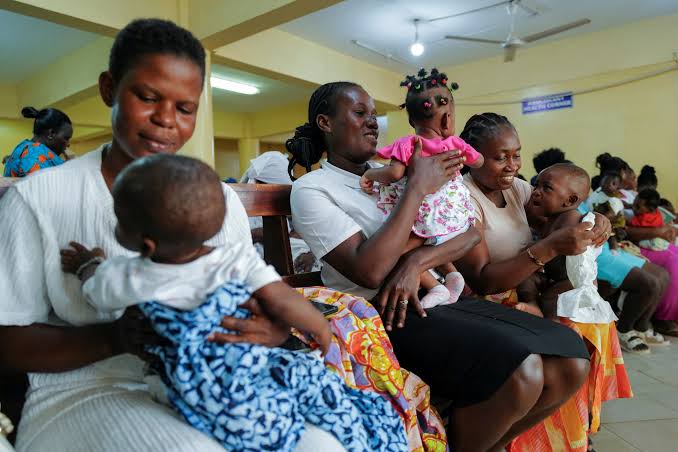
Global Childhood Vaccination Rates 2026 have shown encouraging progress, with more children receiving life-saving vaccines than in previous years. However, the latest estimates from the World Health Organization (WHO) and UNICEF reveal that 13.5 million children worldwide remain completely unvaccinated, leaving them vulnerable to diseases such as measles, diphtheria, and polio. Health experts warn that conflicts, humanitarian crises, and funding challenges continue to threaten immunization programmes in many countries.
For more health stories, visit:
https://learnernews.com/category/health
Global Vaccination Rates Improve
According to WHO and UNICEF, about 90% of infants received at least one dose of the diphtheria, tetanus, and pertussis (DTP) vaccine, while 85% completed the recommended three-dose schedule. Although this represents progress compared with previous years, international health agencies say the world is still not on track to meet global immunization targets by 2030.
Health officials emphasize that routine childhood vaccination remains one of the most effective public health interventions, preventing millions of deaths every year.
Official WHO information:
Why Millions of Children Are Still Unprotected
The report highlights that children living in conflict-affected countries and areas with weak healthcare systems are the most likely to miss essential vaccines. Ongoing humanitarian emergencies, displacement, and funding shortages have disrupted routine immunization services in several regions, increasing the risk of disease outbreaks.
As vaccination coverage declines in some communities, outbreaks of measles, cholera, and other preventable diseases become more likely.
Official UNICEF information:
Why Vaccination Matters
Vaccines protect children from serious diseases that can cause disability or death. They also help reduce the spread of infections within communities by increasing population immunity.
Health experts recommend that parents follow their national immunization schedules and consult healthcare providers whenever they have questions about vaccines. Maintaining high vaccination coverage is essential to preventing future outbreaks.
Read more education and family stories:
What Parents Can Do
Parents and caregivers can help protect children by:
- Keeping vaccination records up to date.
- Attending scheduled immunization appointments.
- Seeking information from qualified healthcare professionals.
- Following advice from national health authorities.
- Encouraging other families to vaccinate eligible children.
These simple steps contribute to healthier communities and reduce the risk of vaccine-preventable diseases.
Conclusion
The improvement in Global Childhood Vaccination Rates 2026 is encouraging, but millions of children still lack protection against preventable diseases. WHO and UNICEF continue to urge governments, healthcare providers, and communities to strengthen immunization programmes and ensure that every child has access to life-saving vaccines. Protecting children through vaccination remains one of the most effective ways to improve global public health.
Frequently Asked Questions
What are Global Childhood Vaccination Rates 2026?
They are the latest estimates released by WHO and UNICEF showing the percentage of children receiving recommended routine vaccines worldwide.
Why are some children still unvaccinated?
Conflict, humanitarian crises, weak health systems, and funding shortages are among the major reasons children miss routine immunization.
Why are childhood vaccines important?
Vaccines protect children against life-threatening diseases, reduce disease transmission, and save millions of lives every year.
Where can parents find reliable vaccine information?
Parents should consult healthcare professionals and refer to official guidance from the World Health Organization (WHO) and UNICEF.
The Role of Communities in Improving Vaccination
Communities play a vital role in ensuring that every child receives life-saving vaccines. Community health workers, local leaders, schools, and religious organizations can help educate parents about the importance of immunization and address common misconceptions about vaccines. Public awareness campaigns, mobile vaccination clinics, and outreach programmes are especially important in reaching families living in remote or underserved areas. By working together, communities can improve vaccination coverage and protect vulnerable children from preventable diseases.
Global Efforts to Strengthen Immunization
International organizations, governments, and healthcare partners continue to invest in strengthening immunization programmes around the world. These efforts include improving vaccine supply chains, training healthcare workers, expanding access to rural communities, and supporting disease surveillance systems. Health experts emphasize that sustained investment in immunization not only saves lives but also reduces healthcare costs and strengthens public health systems. As countries work toward global vaccination targets, continued collaboration will be essential to ensure that no child is left behind and that future generations grow up healthier and better protected from preventable illnesses.